in the garden of forking paths | Wales
/It was a garden of forking paths. One of grey and humid; concrete melting, the Underground sizzling; snarling urban rails boiling under another week of relentless heat. London in a heatwave, in a World Cup summer, set up like some sort of test of modern survival. The other fork led west. Mile by mile the colour returned. The hedgerows thickened first, then the trees, until whole hillsides dissolved into moss, myrtle, bottle green and racing green; so many shades that it became difficult to believe the same summer had produced both landscapes.
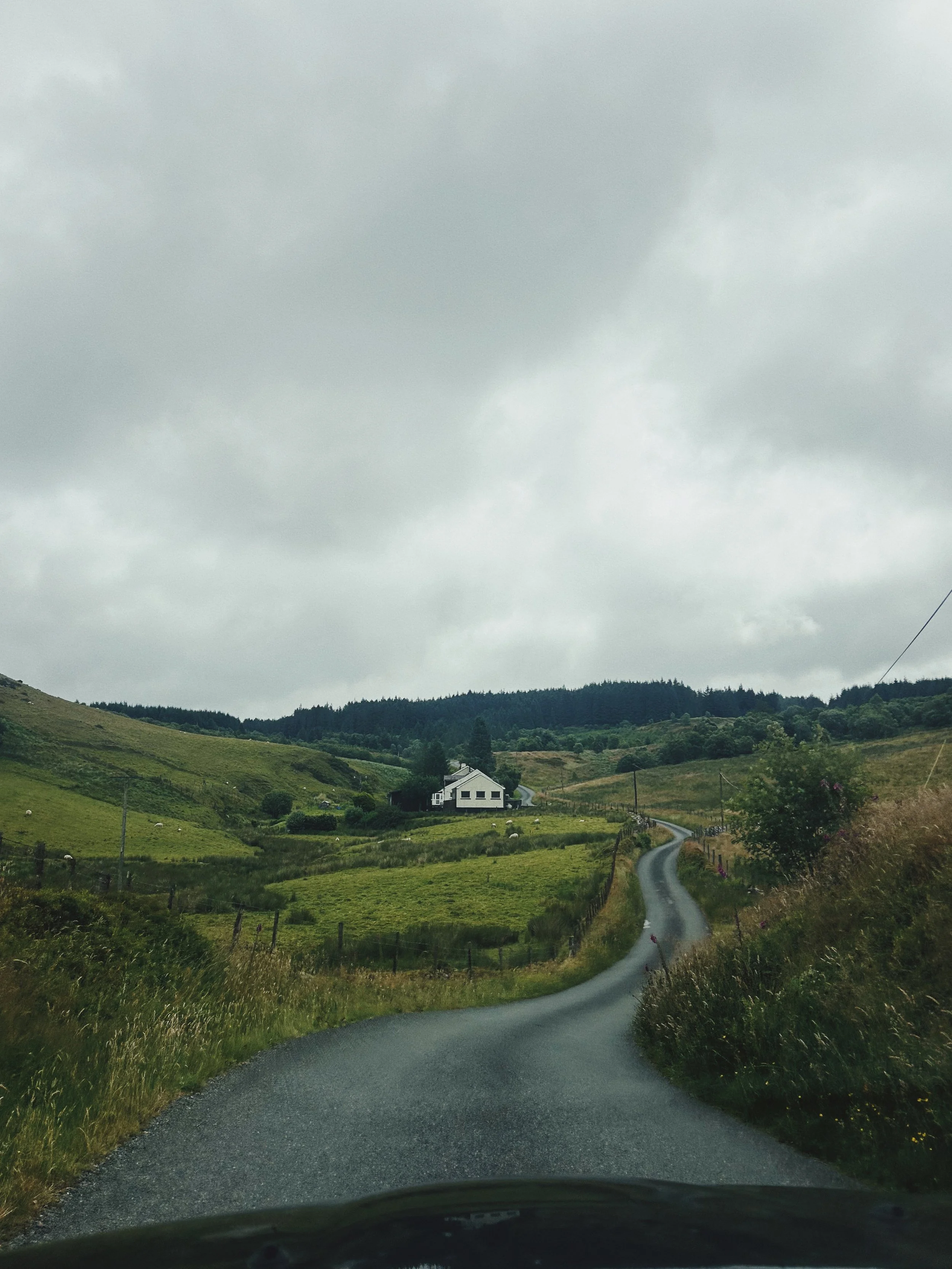
Crossing the Brecon Beacons felt like crossing into another season. Fog drifted low across the single track road while rain spiralled from cloud in cool silver sheets. Cattle wandered over saturated hillsides; porcelain white from shoulder to knee, their lower legs lacquered in ochre mud. Somewhere beyond the mountains the Atlantic waited. In Cardigan the road disappeared into a tumbling country of wooded valleys, foreboding grey crags and enormous skies, where the landscape seemed forever caught between softness and stone.
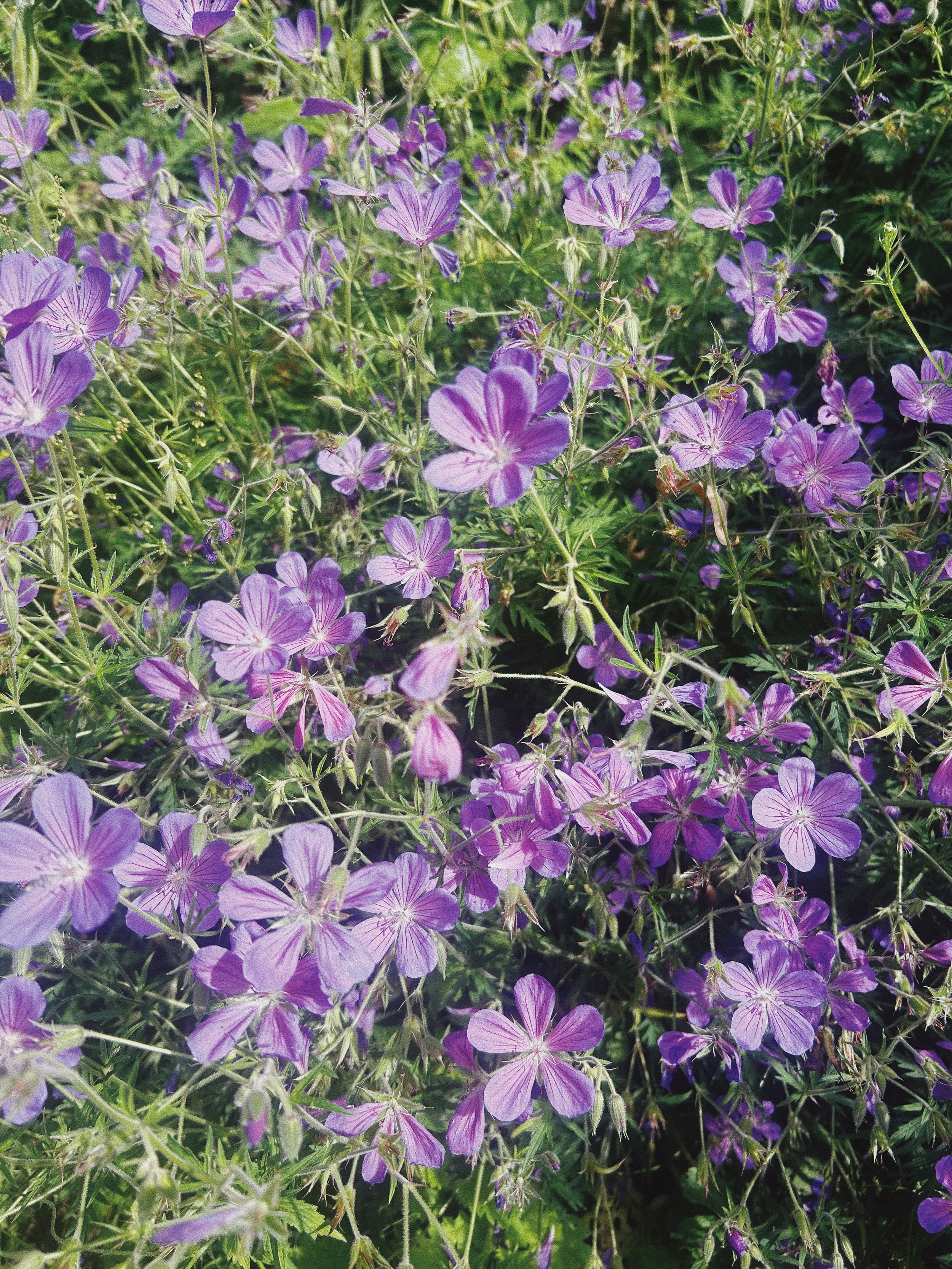
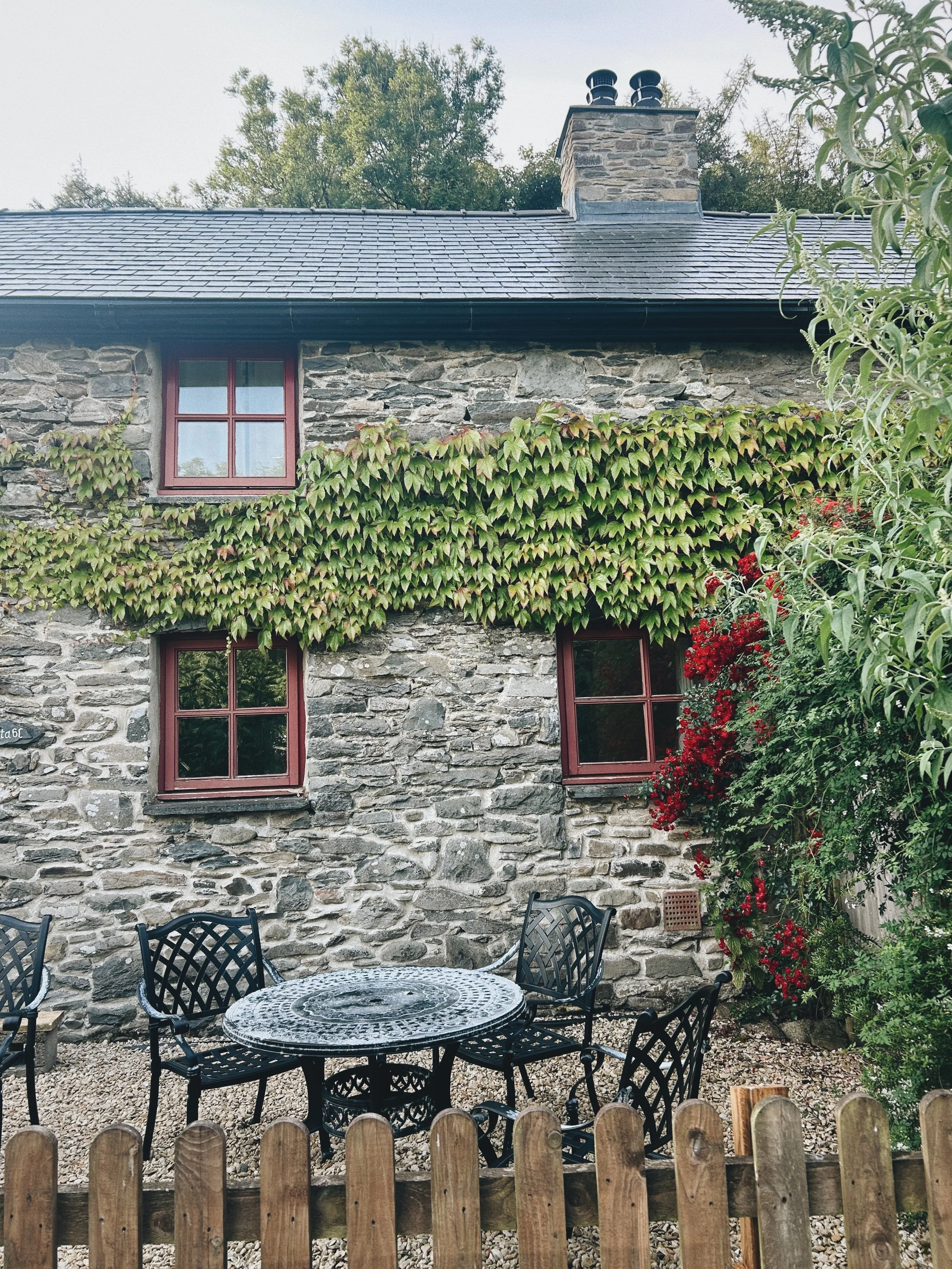
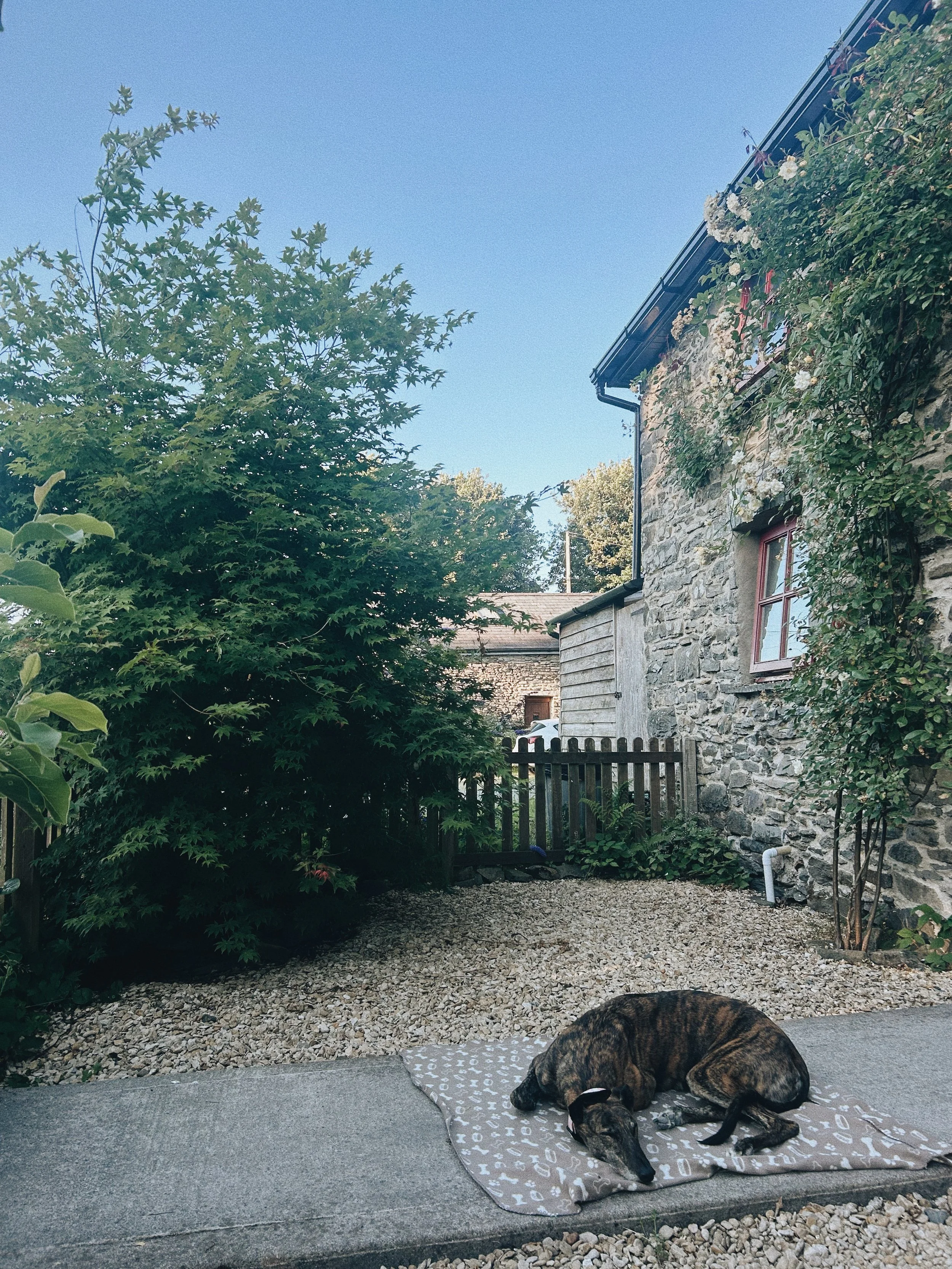
The villages appeared almost by accident around bends in the road; clusters of cottages stitched together from slate-grey stone, softened by climbing roses, magenta foxgloves, honeysuckle and ferns spilling over old walls. Everything seemed gently blurred by moisture, as though dew had polished every leaf and every windowpane. Pubs bore names that sounded like they were borrowed from King Arthur's legends. Among the mist, the mountains and the sudden clearings of emerald pasture, it did not feel entirely impossible that a knight might emerge around the next bend, chasing a dragon into the clouds; soft and wispy; the beard of a wizard; the mane of a royal horse.
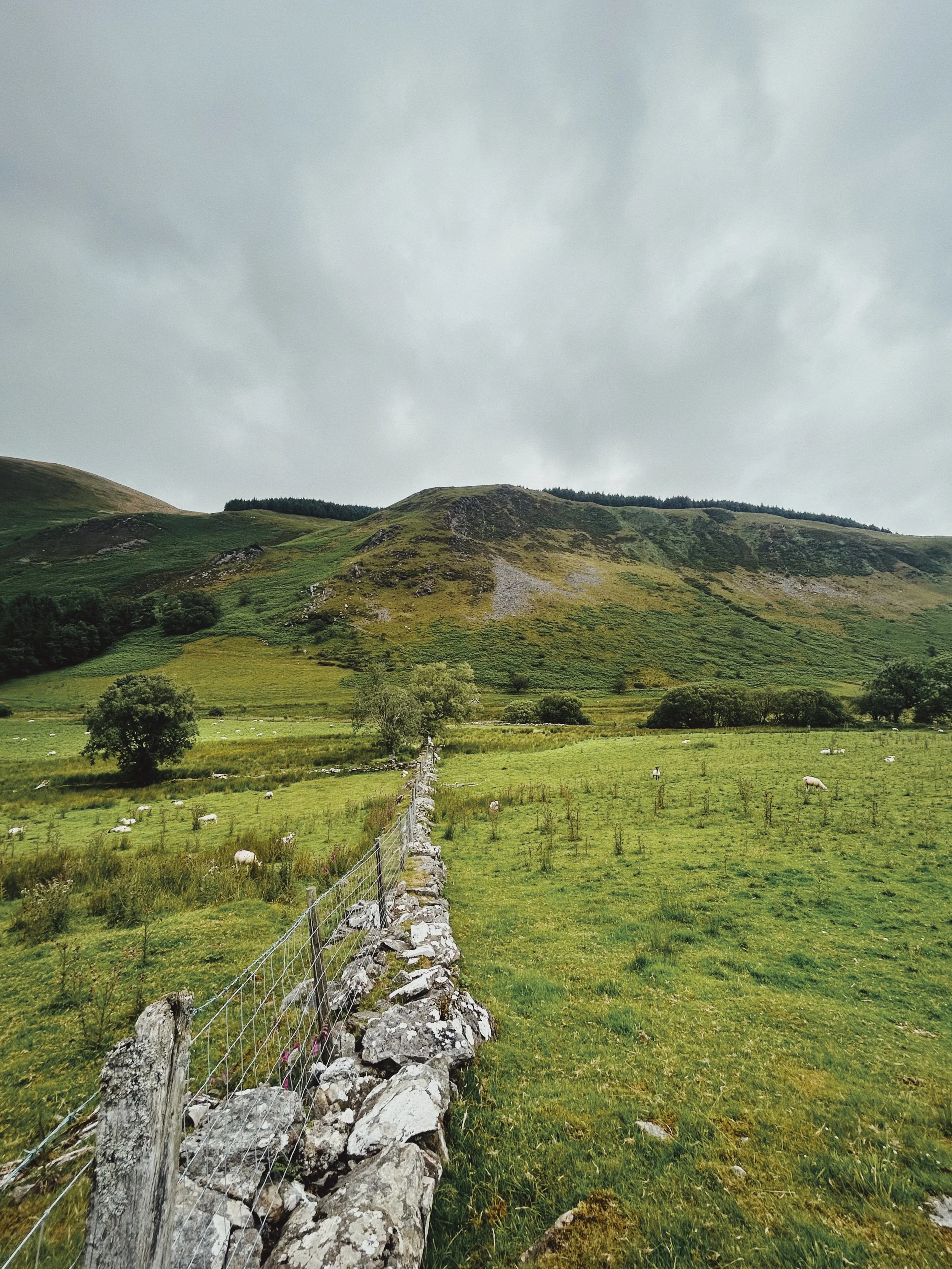
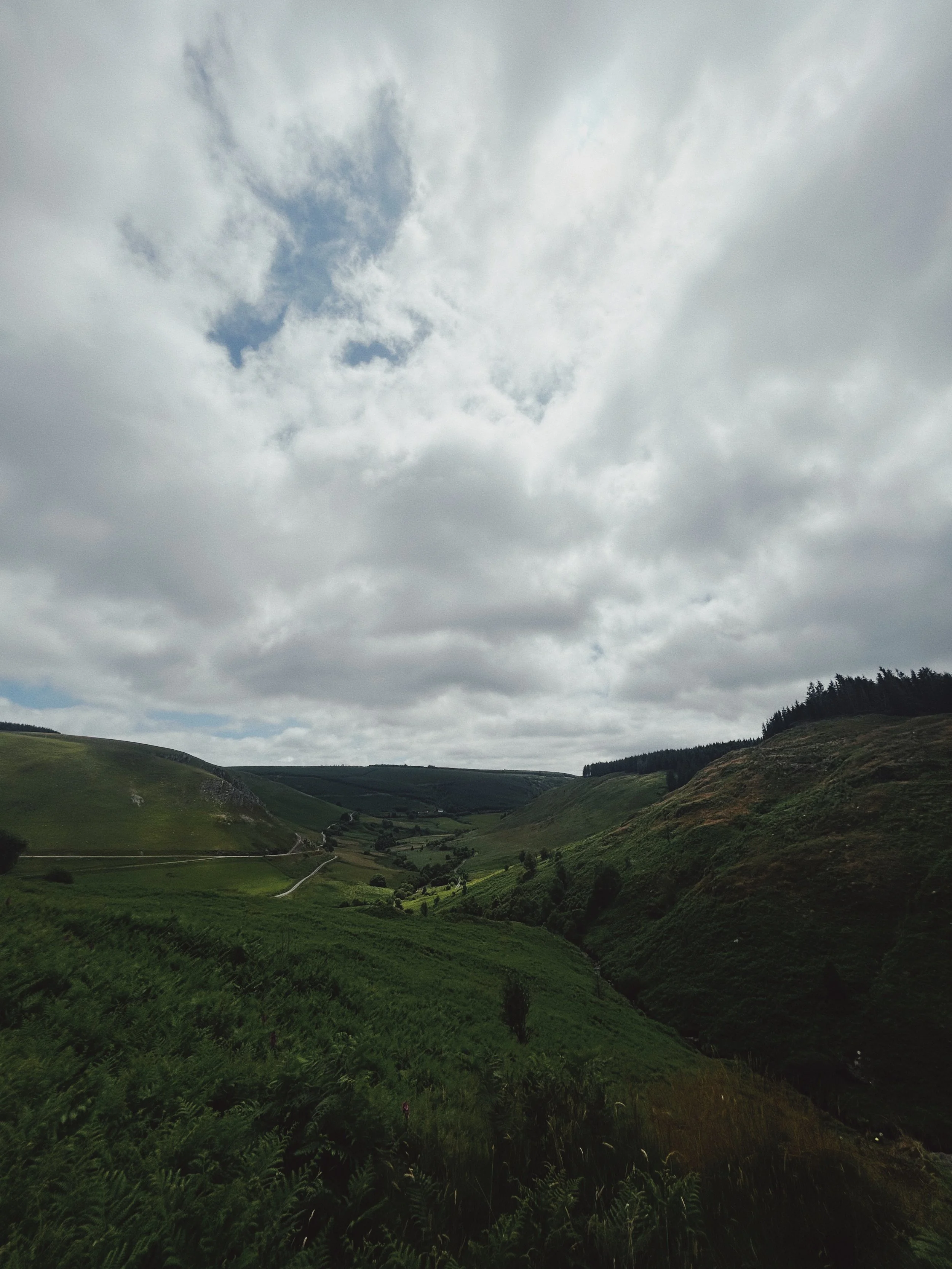
The Cambrian Mountains presided over everything. Slate-grey shoulders, weathered to pewter and charcoal, rose into a sky the colour of a dove's wing, their ridges softened only by blanketing fields of sap green, malachite and fern. Sheep rested on the slopes like scattered popcorn, impossibly small against so much ancient stone. Wind swept over the heights and disappeared into a pine forest deep within the national reserve, where a smoky woodland track wound towards an inky reservoir. If the Loch Ness Monster had ever grown tired of Scotland, she could have slipped unnoticed into these waters instead; a cloud-dark lake fiercely guarded by ranks of pine and silent stone. Waterfalls ribboned vertically from the cliffs, crystalline streams stitched together meadows and valleys below, weaving the countryside into a patchwork of pasture, woodland and rushing water. The verdance and abundance of European summer, without the lights; fumes or crowds.
Perhaps it was inevitable that somewhere so removed from everything would remind us just how far away we were. When we punctured a tyre there was no phone reception, only the wind moving over the hillside and through the open doors of the Mini. We waited outside a slate farmhouse with a weathered For Sale sign leaning into the verge. Ivy had claimed the windowpanes; grass reached almost to our knees; an old oak scattered khaki leaves across the greying roof. Whoever had once lived there had long since chosen another road, perhaps the other fork altogether, leaving behind only summer wind, wandering sheep and the slow work of moss and time.
In the silence and patience of the mountains, a mud-splattered pickup appeared over the rise. Driven by Aaron; south London by birth but unmistakably Welsh by circumstance now, two impatient dogs barking from the front seat. There was an ease about him that belonged to these hills; practical, unhurried, entirely unbothered by punctures or passing time. Watching him disappear back along the empty road, I wondered whether, somewhere along the way, he had simply chosen the better fork. In this hugeness, as lonely as it was, the mountains were alive; swallows in the hedgerows; the lambs in the hills, sterlings singing from the eaves of the farmhouse.
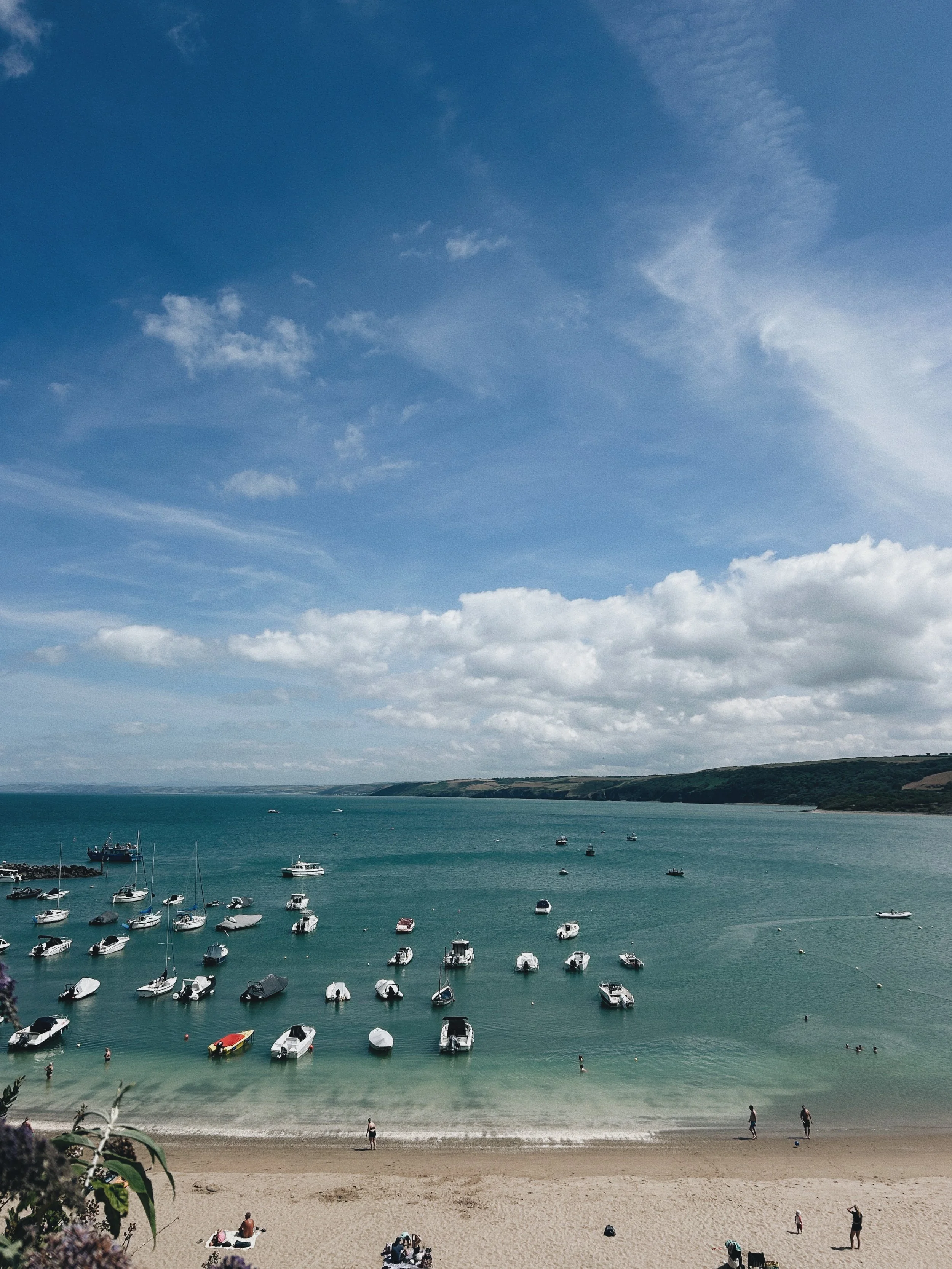
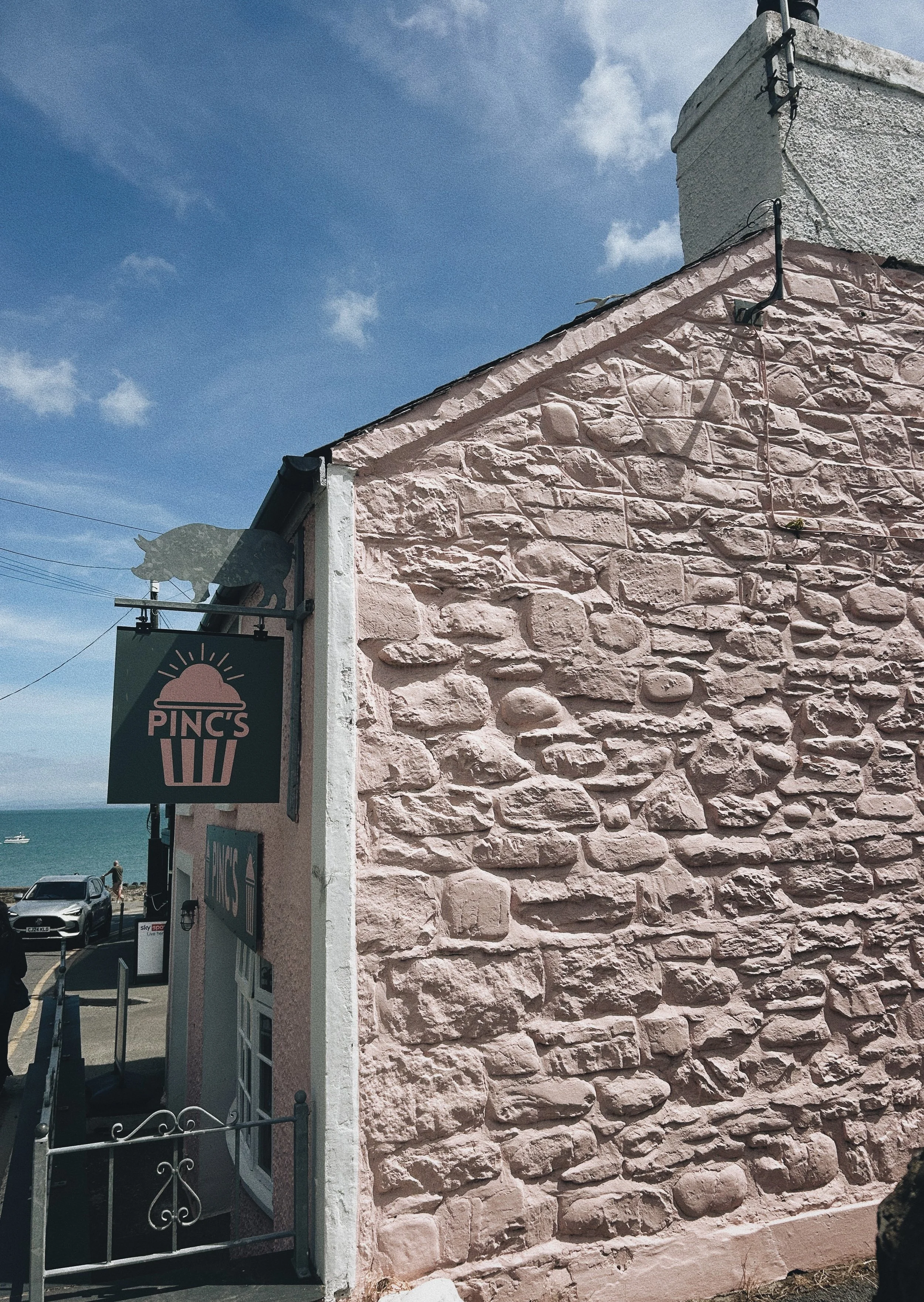
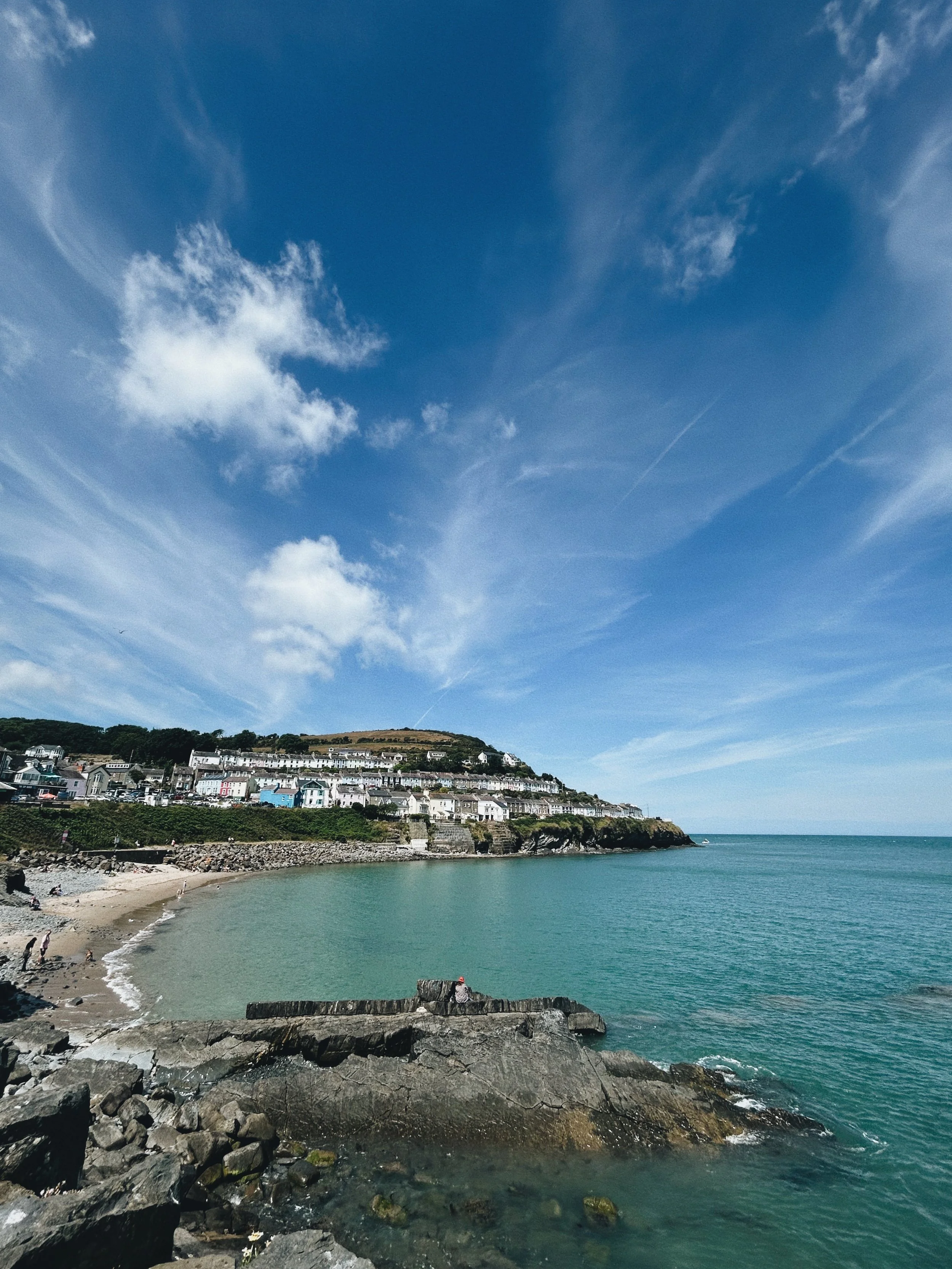
The summer sun did come out, even in the dewy Welsh countryside; casting a golden wash over the hedgerows frothing with cow parsley; the mysterious herds of shy black cows on the edge of a forest; the thickets spilling ivy and wild lilies; white like cotton. Probably one of the region's biggest pulls is New Quay, charming and colourful; balanced on a peninsula of slate rock, reaching out into an Atlantic that shifted from china blue in the harbour to deep sapphire beyond the headlands. Kissed by the breezes of summer and glowing in July sun the houses in weather-softened blues, creams, sage greens and faded pinks, each seeming to borrow a little of the sea's light. Small shops sold windchimes made from shells, the porcelain melodic on the breeze. Fish and chip shops buzzed from lunch time's relative rush; lots of metro tile and hessian; ice cream striped like jockey jerseys lined the storefronts.
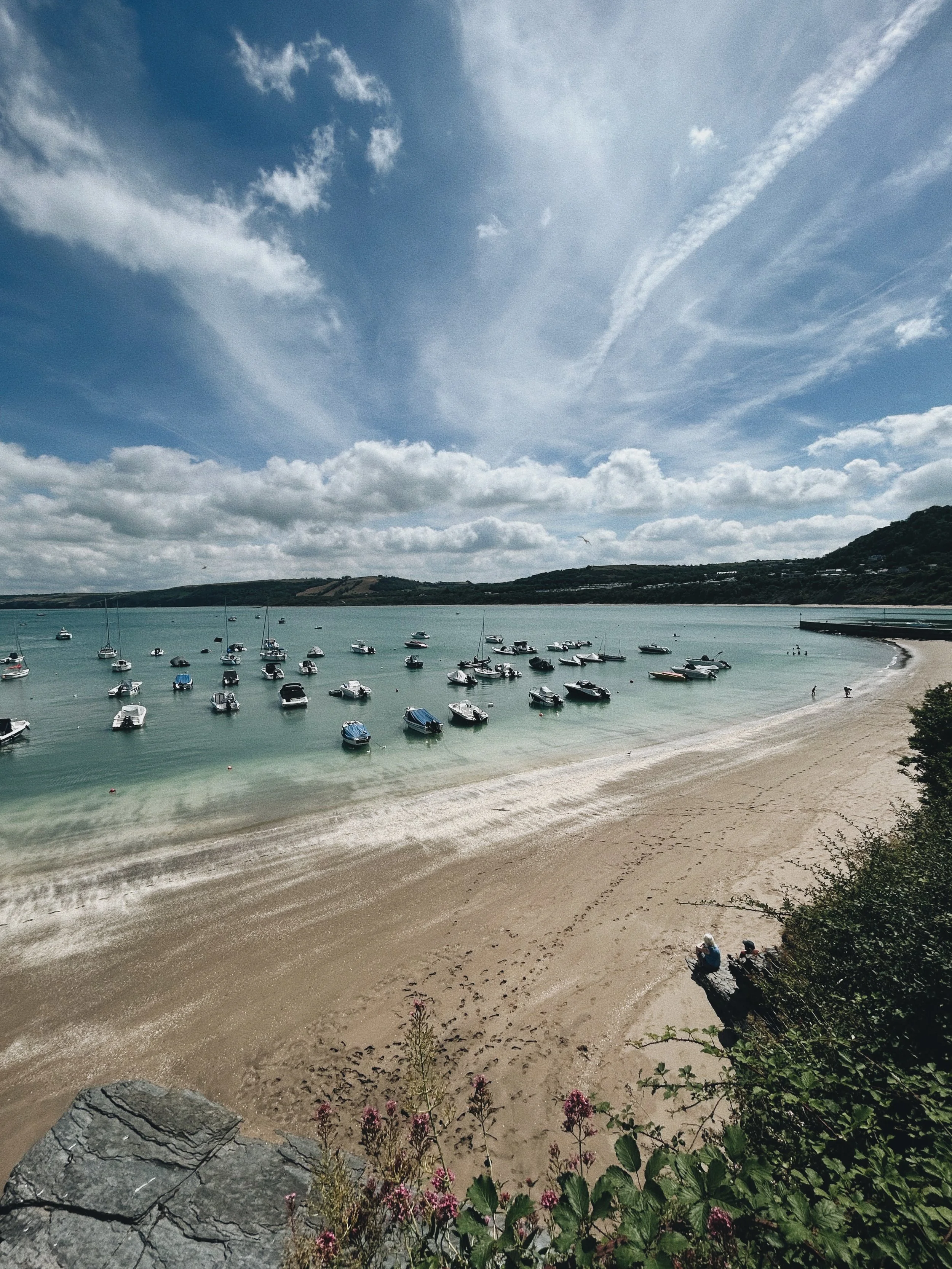
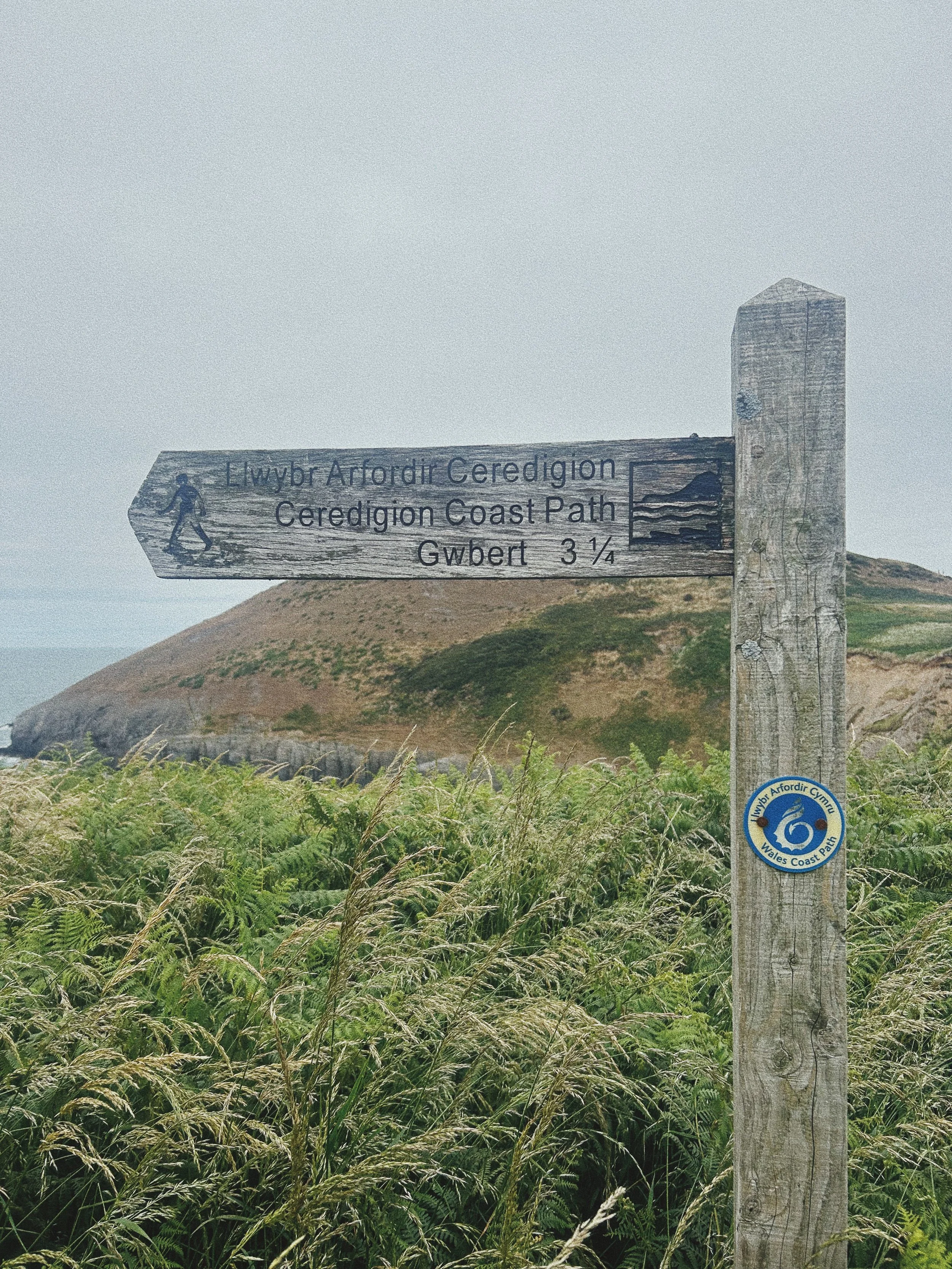
We climbed a part of the Welsh coast path, led by Bes, over the slate rock, cutting through to the highest part of town for a view over the bay. The Atlantic shimmered and danced in front of us; the white corrugated roof of the fish packaging plant a reminder that, even in a postcard perfect like this, there were ties to the hardness of the North; the wildness of the Atlantic and Wales' working class heart. Back in town, the glorious buttery sands of New Quay beach spooled around in a crescent of pale barley, yachts bobbing benignly in the shallows, the Atlantic gentle and the cornflower blue of the sky. Small dogs darted in and out of the waves, kayakers drifted lazily beyond the harbour wall and, almost casually, a pair of bottlenose dolphins surfaced amongst the moored yachts. One arced through the water in polished pewter before disappearing beneath the tide, as though slipping between two worlds. They have become New Quay's quiet celebrities, returning each summer to a coastline still wild enough to welcome them home.It was difficult to believe that somewhere beyond the hills the motorway still hummed towards London. Here the roads simply unravelled into footpaths, the footpaths into cliffs, and the cliffs into the Atlantic itself; where dolphins surfaced between fishing boats as though this quiet little harbour had never been anything but theirs.
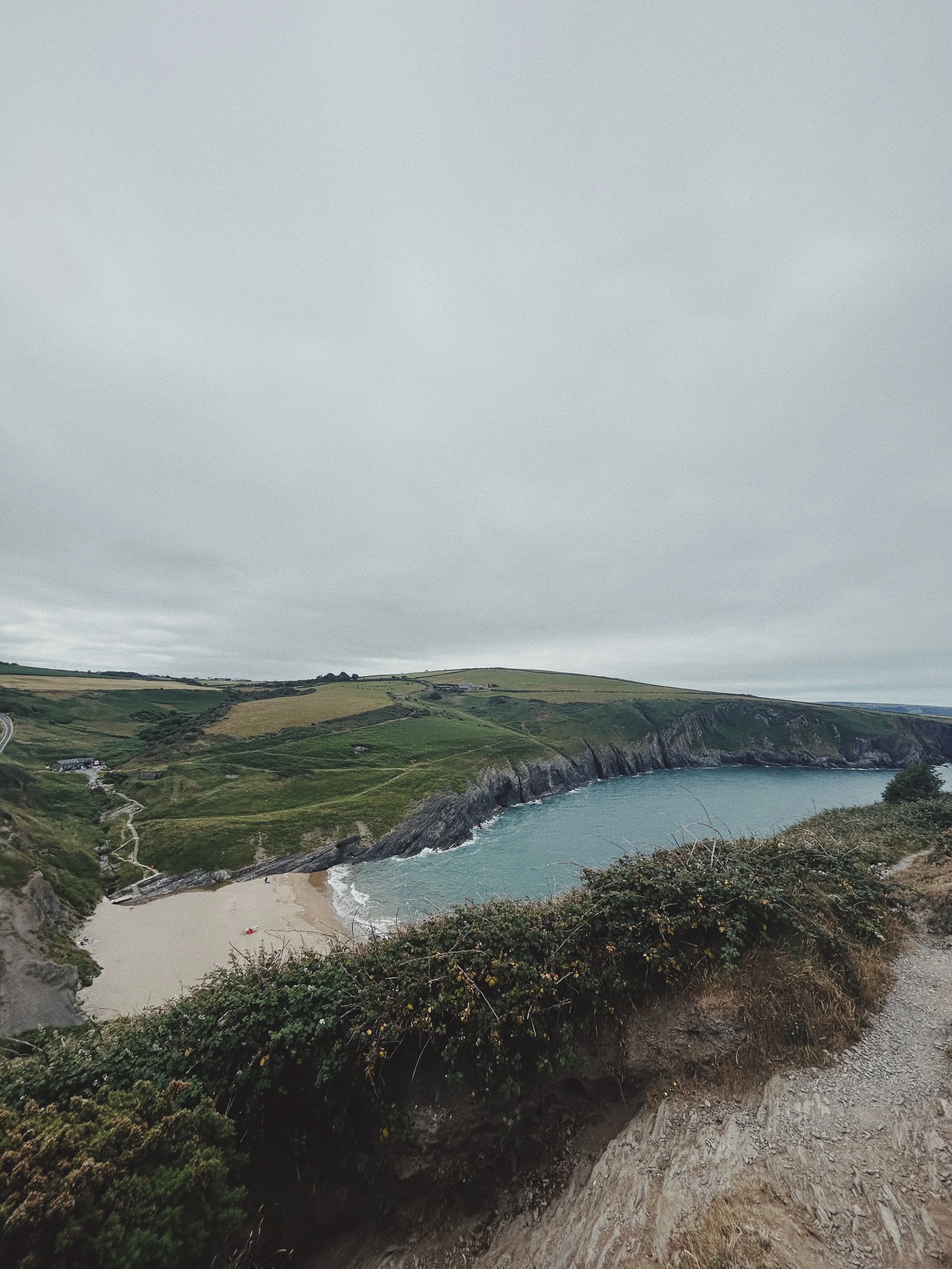
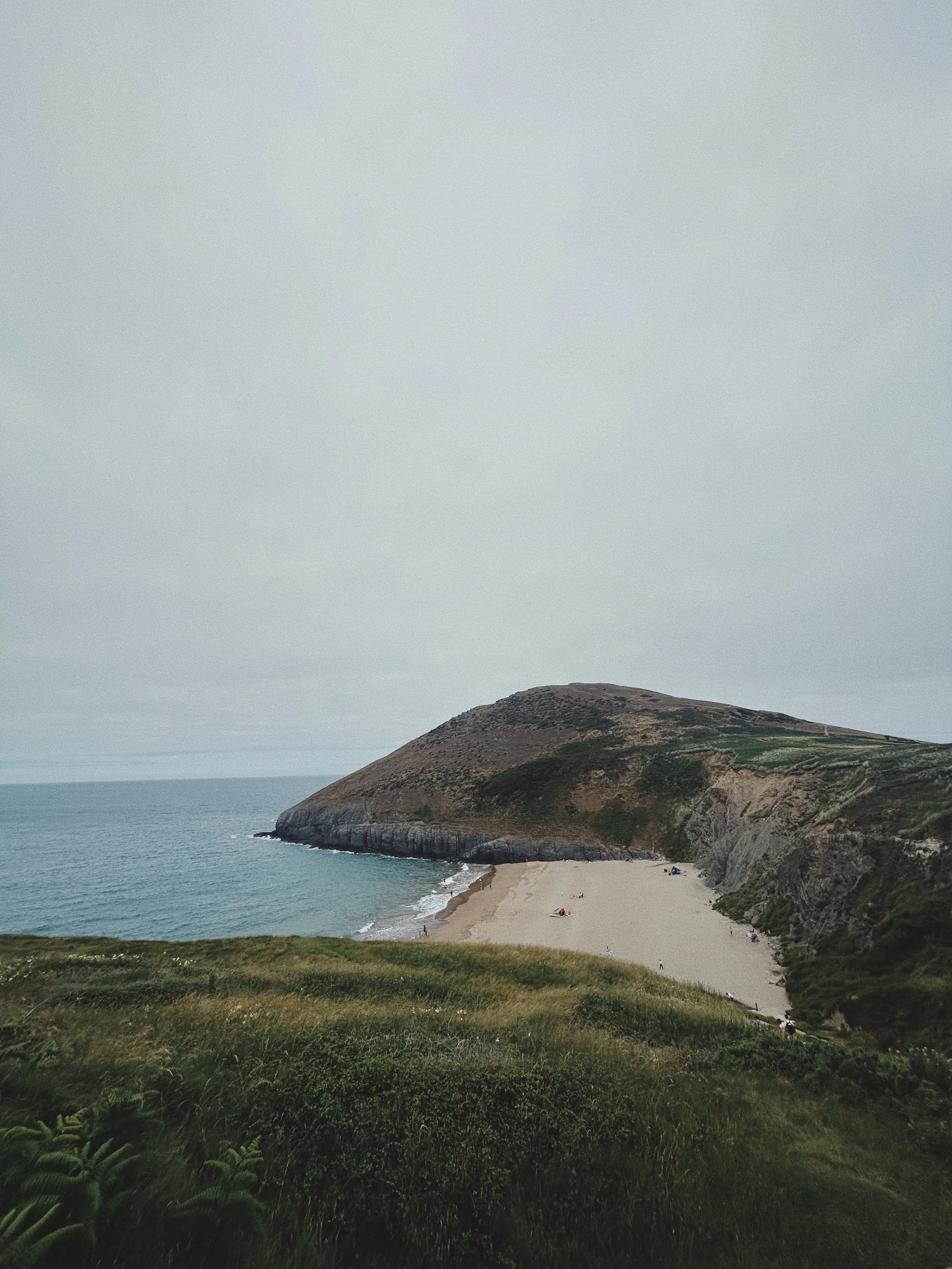
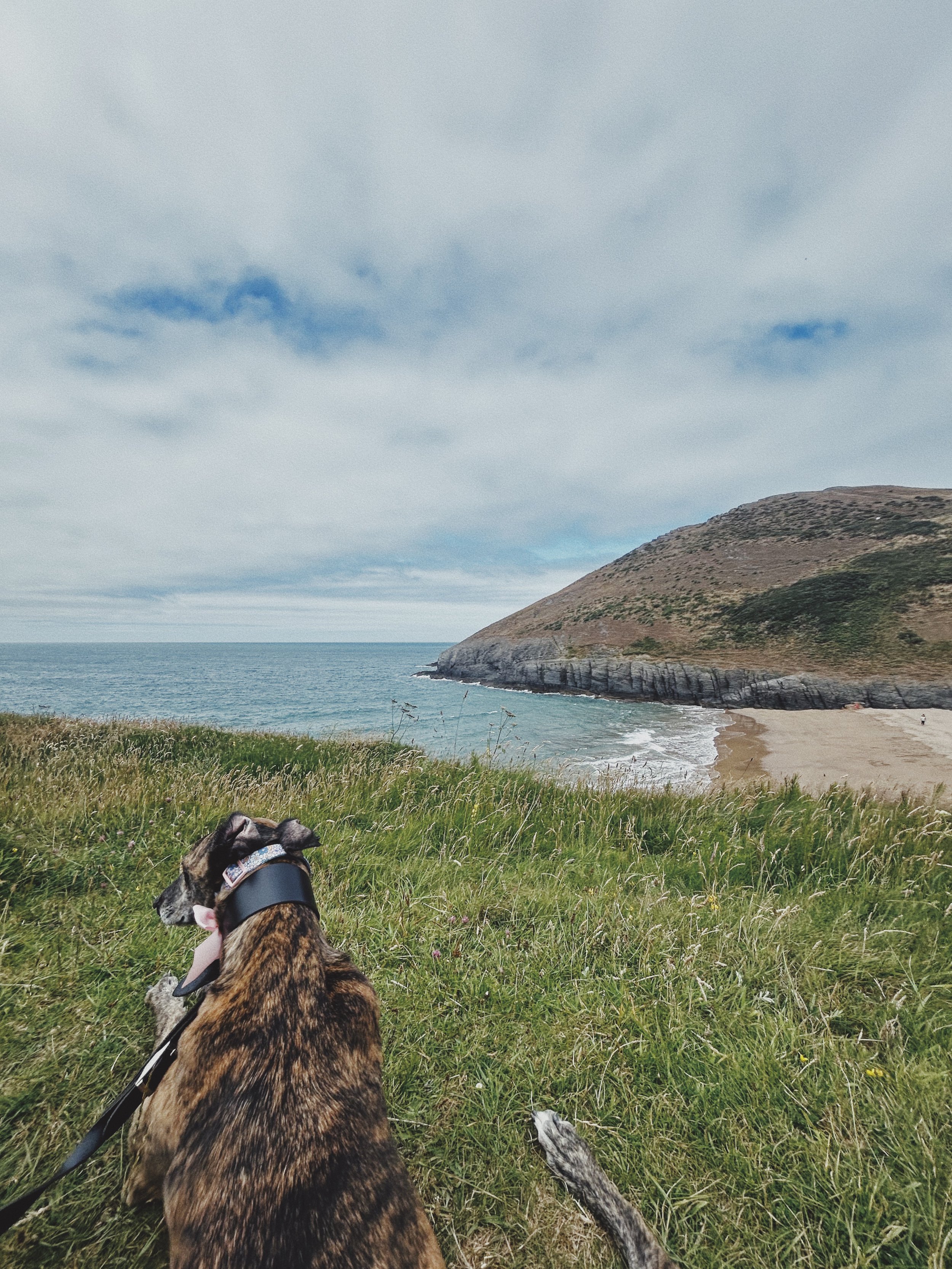
The sun ducked away again, summer breezes swirling against a wizard-beard grey sky. The road to Mwnt beach couldn't have been smaller, hemmed in by fields overflowing with the luxury of a summer harvest. We crossed cattle grids, herds hiding small tufty babies from the road as the graying Atlantic came into view. Steep cliffs rose and fell, waves rattling in needle-thin canyons along the rugged shoreline. The sound of the wind punctuated everything, the coastal flowers pulled back and forth in their rocky perches; sea birds fighting the gusts. Height all around us; views for miles along the coast, the now familiar patchwork of greenfields falling away to slate. A bone white church stood alone above the cliffs, impossibly small beneath so much sky; the sort of place that seemed to collect whispered stories as readily as Atlantic wind. A wedding group was leaving the church, bridesmaid dresses swirling in the Atlantic gusts, in sorbet pastels; confetti; the scattering petals of a bouquet.
Mwnt beach itself was satisfyingly square, a bay hemmed in by three cliff faces where wild flowers brazenly grew out of the cracks; the rocks tumbling down to where the Atlantic yapped at its heels. The beach itself was sheltered so even on this blustery Saturday Welsh families decamped on the honey-oat shores with tents and umbrellas, the odd rugby ball, kites flying; dreams let loose; worries adrift. From the gray haze of the horizon, the dolphins appeared almost shyly, smooth arcs rising from the steel blue water before dissolving once more into the tide. They belonged to the weather as much as the sea itself; surfacing between gusts of wind and passing rain showers, carrying on lives entirely their own beneath the shifting Atlantic. Watching them, it felt as though the coastline was gently revealing another of its secrets, offered without ceremony to anyone patient enough to wait.
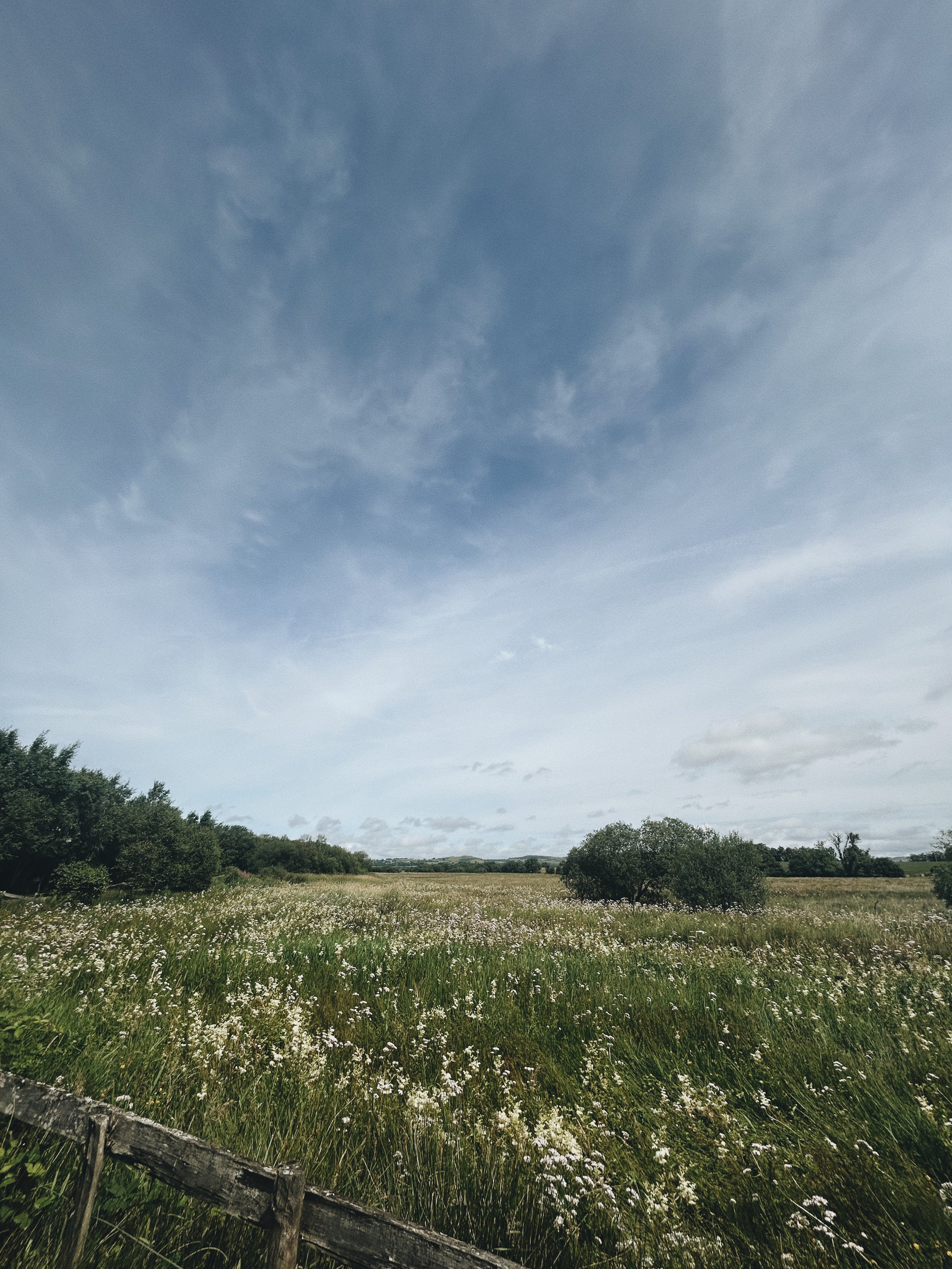
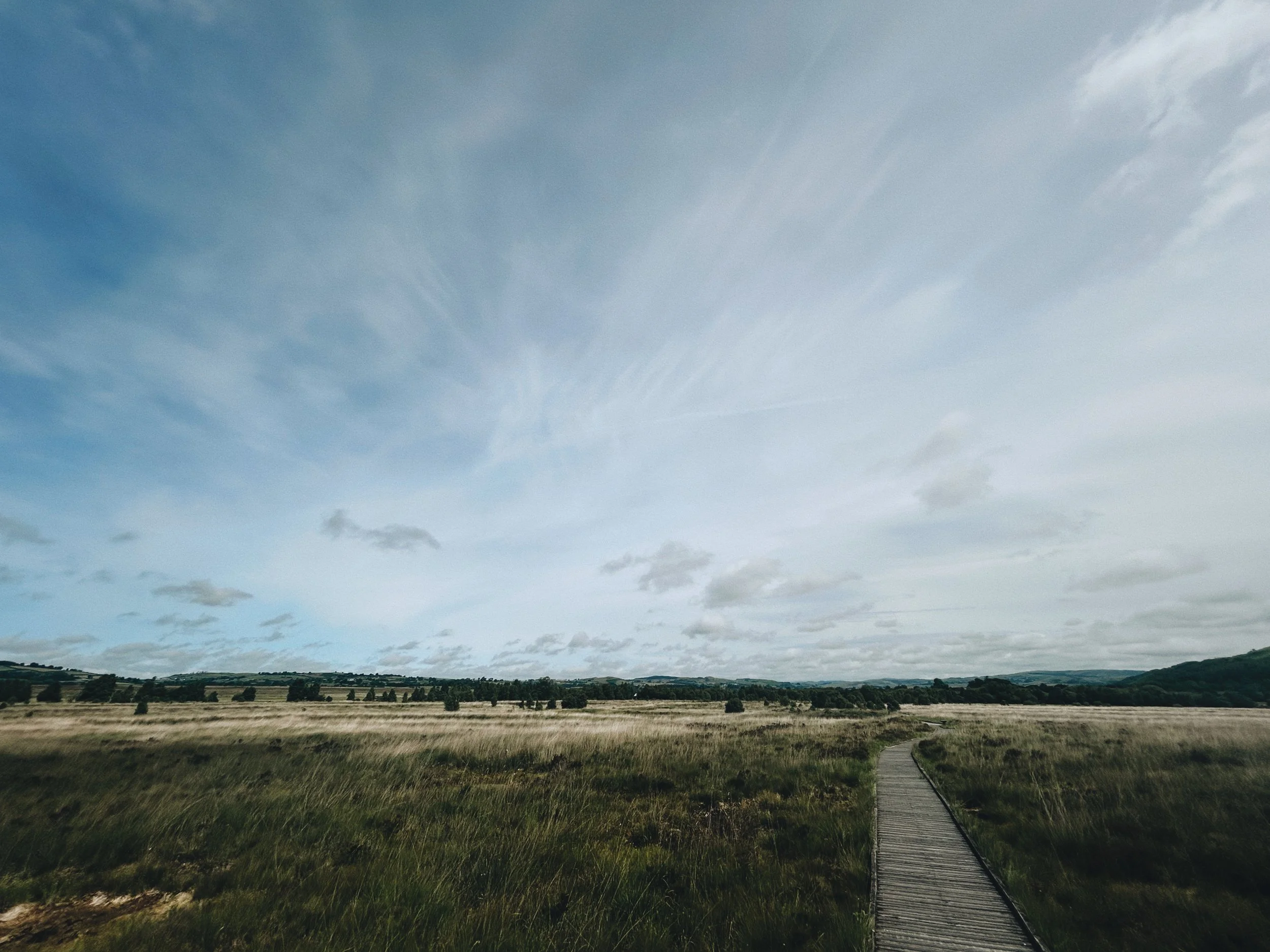
On a day of milky summer sun we drove to a nearby natural reserve; apparently one of the UK's largest peat marshes. Hundreds of dragonflies flitted through the ponds; floating and electric; hiding among water lilies and lilypads big enough to conceal a nymph. Meadows of wildflowers stretched around us, another playground for the dragonflies, buzzing like helicopters; small birds dashed hurriedly; the sky sparkled azure; scribbled with fluffy mare's tails. We had been stopped on the way to the reserve, asked if we could wait for sheep to pass us on the road. Moving the flock, they too hurried past, through the village, skirting the burgeoning hydrangeas and trees heavy with apples.
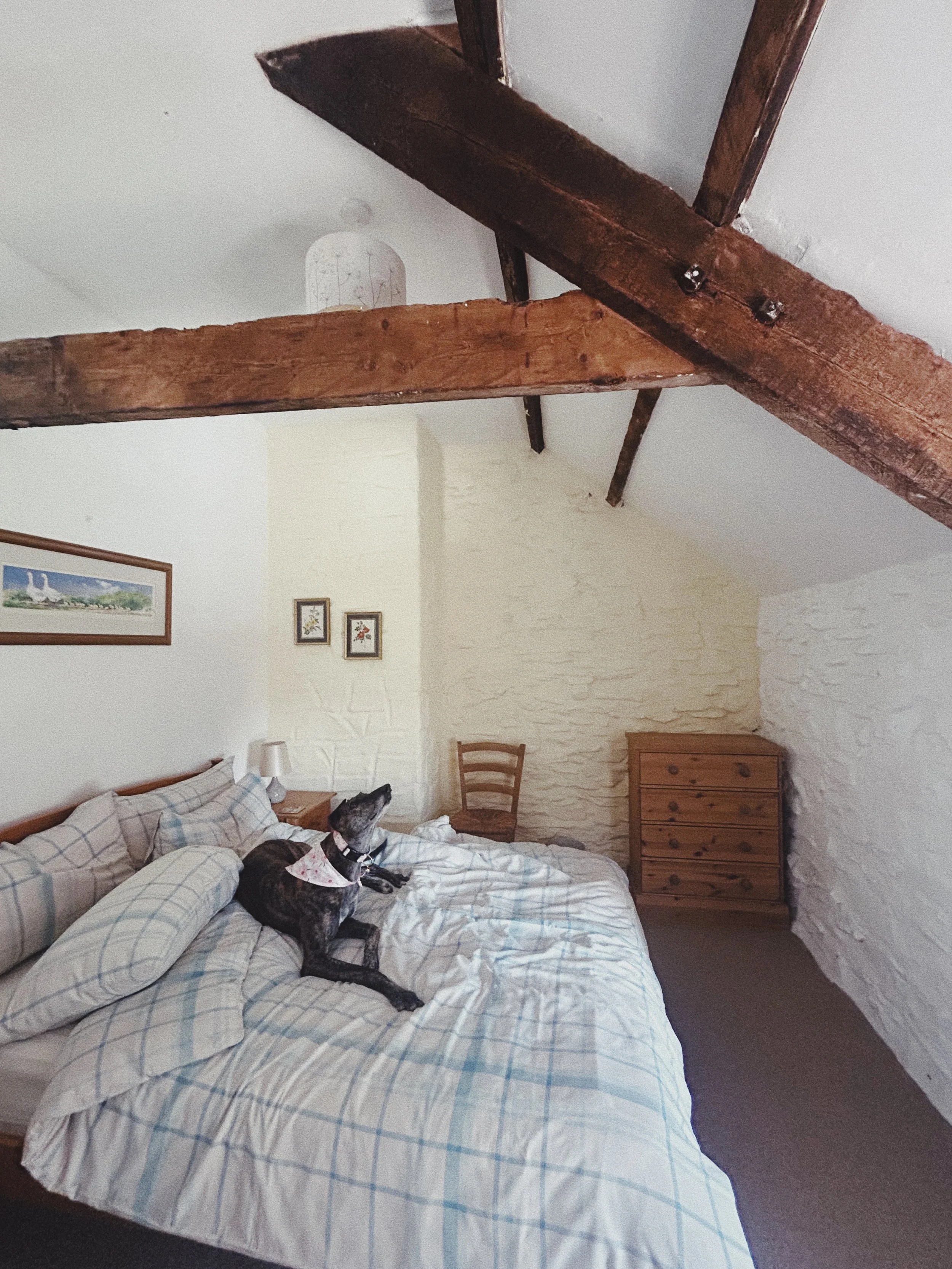
We packed the car, ready to leave the farmhouse in the early morning. Cardigan was a place with so much hidden beauty; just around the house; herds of wild cattle retreating into the shade of a spinny. Sheepdogs barking from the back of muddy pickups; spiderwebs like candyfloss in the eaves of barns, foxgloves spilling in excess out of the forest and into the field. In the garden of forking paths, the tumbling hedgerows, the porcelain lilies and wild calves, the slate cottages dissolving the ivy, is the finding that time and space are quietly mending. Not healing, exactly. More like stitching; fields to forests, forests to mountains, mountains to the Atlantic. We left for London early morning. The Cambrian Mountains are a dark sky reserve and we finally saw this Eurosummer light show - a million glowing stars, honey and oat clusters; the dewy night was alive. The stars would fill the rear view mirror back over the Brecons, chasing us into the sunrise of the M25, and fading like tail lights of cars.
"I took a long journey away from human tangles. I breathed space and order"
- Anais Nin